Diversity, inclusion, and accessibility efforts have faced significant challenges and setbacks over the past year. The US Supreme Court rulings against race-conscious admissions, student loan debt forgiveness, and LGBTQ+ rights have significantly impacted the postsecondary access and attainment field and, most importantly, the students we serve. Republican-controlled states have led the charge in cutting diversity, inclusion, and accessibility funding in higher education or even banning it outright, while recent layoffs have disproportionally affected diversity and inclusion departments and professionals. This comes as the nonprofit organizations who advocate for historically marginalized students and communities experience a downturn in donations.
In response, National College Attainment Network (NCAN) member Students Rising Above (SRA) has taken an activist approach. The San Francisco, CA-based organization continues to question how
they can effectively advocate for the students they serve, as well as others facing systemic barriers, and engage more deeply in conversations surrounding diversity, inclusion, and accessibility.
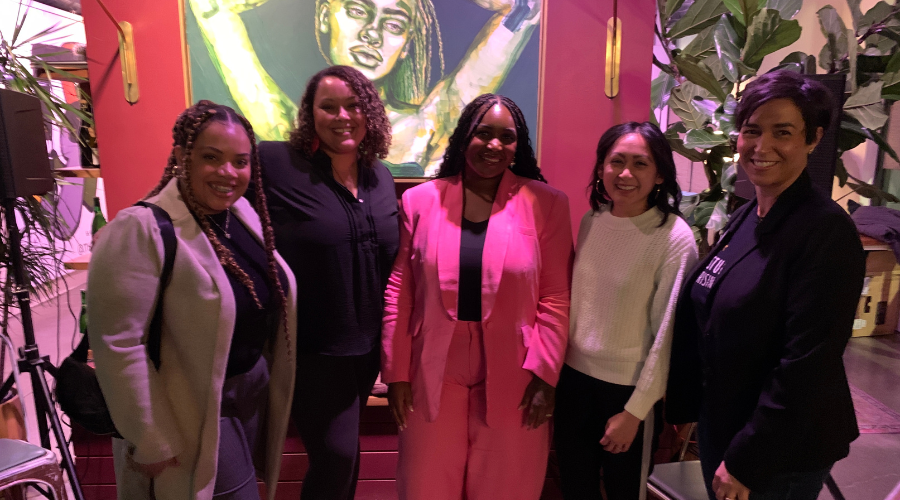
SRA kicked off Black History Month by hosting a panel discussion on February 8 that focused on the backlash against diversity, inclusion, and accessibility initiatives in the workplace. Moderated by Brooke Millan,
College Admissions Counselor and Black Student Experience Specialist at SRA, the panel featured SRA alumna Frederica Webster, volunteers Ashley Blackmon and Andrea Cruz, and The Justice Collective co-founder Lena Carew. All panelists play a significant role in leading diversity, inclusion, and accessibility initiatives in their own spaces, and their experiences and perspectives contributed to an enriching and enlightening conversation.
Some key takeaways from the discussion included:
Diversity, inclusion, and accessibility is good for business. The positive impact that diverse perspectives have on revenue and
the bottom line should be highlighted and discussed.
Diversity, inclusion, and accessibility is everyone’s job. No one individual should be responsible for diversity, inclusion, and accessibility work within an organization or company. Instead, it should be a collective responsibility shared by all.
Diversity, inclusion, and accessibility and compensation. Tying diversity, inclusion, and accessibility goals to compensation is the best way to ensure management and leadership buy in.
Diversity, inclusion, and accessibility work can be painful, especially for individuals from historically marginalized communities. Providing support and encouragement can make things easier.
Just because it is illegal does not mean it is wrong. Diversity, inclusion, and accessibility still matters in places where it has been outlawed, and there are still ways to do the work.
Not everyone needs to be onboard. Organizations do not need 100% of employees to buy-in to diversity, inclusion, and accessibility efforts, but rather to win over and empower influencers and leaders.
Notable quotes from panelists and audience members include:
“Equity is examining what people need, why people, need it, and how to address it.”
“Inclusion is not enough; it’s about accessibility.”
“[For the workplace] are you cultivating a space of belonging where people actually feel like they can show up as themselves?”
“You don’t have to say the words diversity, inclusion, and accessibility to get the work done.”
“How does diversity, inclusion, and accessibility contribute to our definition of success here?”
“I must fill my cup because the work is so important. We need you at your best because this works needs the best.”
NCAN thanks SRA Chief Program Officer Angela Bugayong for contributing to this article.

 Email to a Friend