| Profile: Access Opportunity |
|
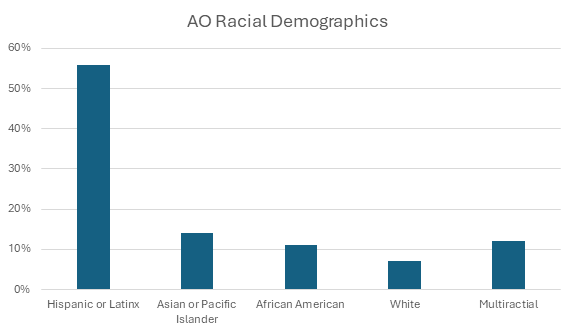
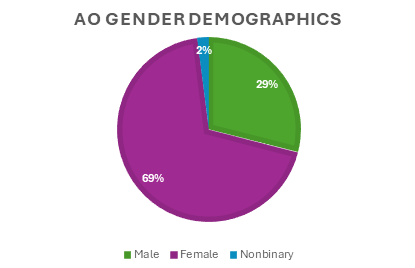
Location: Boulder and Denver Metro area (CO) Programming SummaryFounded in 2014, Access Opportunity’s (AO) mission is to create opportunities for high-potential students from low-income households to define their individual paths through high school, college, and career, ultimately benefiting the lives of others. AO’s program helps remove systemic barriers for the students it serves so they can access the same college and career opportunities as their higher income peers and helps them thrive once they have gained access. AO does this through a six-year program that provides academic tutoring, college and career coaching, networking and mentorship opportunities, and social and emotional support. This work is guided by three pillars: Achieve, Inspire, and Connect. AO supports high-achieving students from low-income households for six years, beginning with a selective admissions process in the spring of 10th grade, followed by community-building, self-discovery activities and lessons, and test prep in the 11th grade. During the 12th grade, students receive personalized college and financial aid counseling and continue to receive one-on-one support from an AO counselor and paired with a peer mentor as they transition from high school to college. AO continues to provide career readiness education, career counseling and leadership development opportunities beyond students’ second year of college. You can learn more about AO program and impact by visiting their web site. In addition to Access College and Access Career, AO believes in a systemic implementation of social-emotional learning (SEL). SEL is intentionally integrated into students’ journey through the program via AO’s need-based selection process, program onboarding, class-specific programming in Access College and Access Career, as-needed individual support, newsletters, and other opt-in programming. AO also works to educate families/guardians so they feel empowered to help their students reach college enrollment and graduation goals. DemographicsAO serves high-achieving high school and college students from low-income households throughout the Denver-Boulder metro area. AO’s target population are students from families whose annual income does not exceed three times the federal poverty line, who have an unweighted GPA of 3.5 or higher, and who are leaders in their schools and communities. Currently, 93% of AO students identify as individuals of color (56% of students identify as Latino/a, 14% as Asian or Pacific Islander, 12% as multiracial, 11% as Black, and 7% as white). As for gender 69% of students identify as female, 29% as male, and 2% as nonbinary.
Identifying Programmatic NeedsAs part of an ECMC Foundation grant-funded project administered by the National College Attainment Network (NCAN), “Supporting the Whole Student Through Mental Health and Wellbeing,” each of the six organizations involved conducted a needs assessment with the help of a consultant from The JED Foundation. The needs assessment focused on each program’s mental health and wellness resources, student wellness challenges, and needs. The results of the assessments were used to develop a plan to implement a set of key activities that would help them meet their respective needs. The main needs initially identified were practical methods for students to learn and deploy strategies and tools to help them cope with stress, anxiety, and other social and emotional challenges, which helps them cultivate resilience. Additionally, AO hopes, as a part of this work, for students to build long-term connections and relationships with other AO students and report a sense of belonging, and of having a network of support, amongst their peers. In their 2023 program assessment, AO found that SEL is one of the most controversial aspects of the Access Opportunity program. Many students had expressed a great deal of affection for it and requested additional SEL topics. Other students expressed their appreciation for the AO program but did not feel a personal need for SEL support for themselves. Overall, student feedback suggested that SEL topics should aim to be more specific and complementary to the main program focus areas of college and career readiness. Implementation of Strategies and Activities
Outcomes and ImpactThrough this grant project, AO's capacity increased internally and externally by building staff awareness and skill building and through their partnerships. This project gave staff the space to think more deeply about programming and better shaping it to the needs of the students. Additionally, students have received increased therapeutic support from AO’s SEL Counselor (LCSW candidate) and available community resources. An increased number of therapeutic referrals have been given to students upon request, as well as direct service from staff.
AO chose to invest the grant in resources that benefit students directly. For example, AO bolstered their emergency fund and were able to provide students with necessary funding to continue their college and career pursuits without being derailed. |

 Organization: