Today is International Women’s Day, and time to celebrate the cultural, political, and socioeconomic achievements of women worldwide. Much progress has been made towards gender equality since the beginning of the women’s liberation movement
in the late 1960s. At the same time, women continue to face barriers and disadvantages due simply to their gender. From the crackdown on individual liberties in Afghanistan by the resurgent Taliban to the loss of reproductive rights in the United
States, the rights of women are increasingly under attack around the world.
Education-wise, while women compose the majority of students at degree-granting institutions in the US, they continue to face challenges in accessing and attaining a postsecondary education, as demonstrated by the recent drop in female enrollment.
In celebration of International Women’s Day and Women’s History Month, I asked my colleagues who identify as female to tell me what this day (and month) means to them as well as the postsecondary education access and attainment field as a whole.
Celebrating International Women’s
Day is a reminder for me to check in and reflect on the ways in which I’ve specifically amplified Black, Latina, and Indigenous womxn’s voices and contributions in the fight for equality and equity. Honoring them is to acknowledge that their voices
were not always heard, valued, or credited in this movement. I take time to discover and cherish the stories of our ancestors, their determination but also their joy, and their rest, because joy and rest are both powerful forms of resistance. As a
Black woman, I’m reminded to celebrate the beauty of my own heritage and how far we’ve come. It’s important to celebrate and honor women in the work that we do, especially racially minoritized womxn, because when all womxn
and girls thrive, everyone thrives.
International Women’s Day
is a time to the celebrate my resilient mom. She crossed a river and oceans to bring our family from war-torn Laos to new beginnings in the United States. This act would pave the way for me to have more opportunities than she ever did, including getting
an education. Observances like today are important considering that 129 million girls around the world are unable to go to school and college enrollment for females
dropped compared to males. The sacrifice my mom made reminds me there are generations of women that came
before me whose actions can have a profound impact on future generations.
There is so much intertwined
with women and education equity. Education for women means more control over their economic situation and family lives as well as greater participation in politics and government. There is still a long way to go, both in the US and around the world,
to achieve gender and racial/ethnic equity in many realms, but education is a key step on the path to liberation.
What does International Women’s Day and Women’s History Month mean to you? Send me your thoughts in an email at odomm@ncan.org.

 Email to a Friend
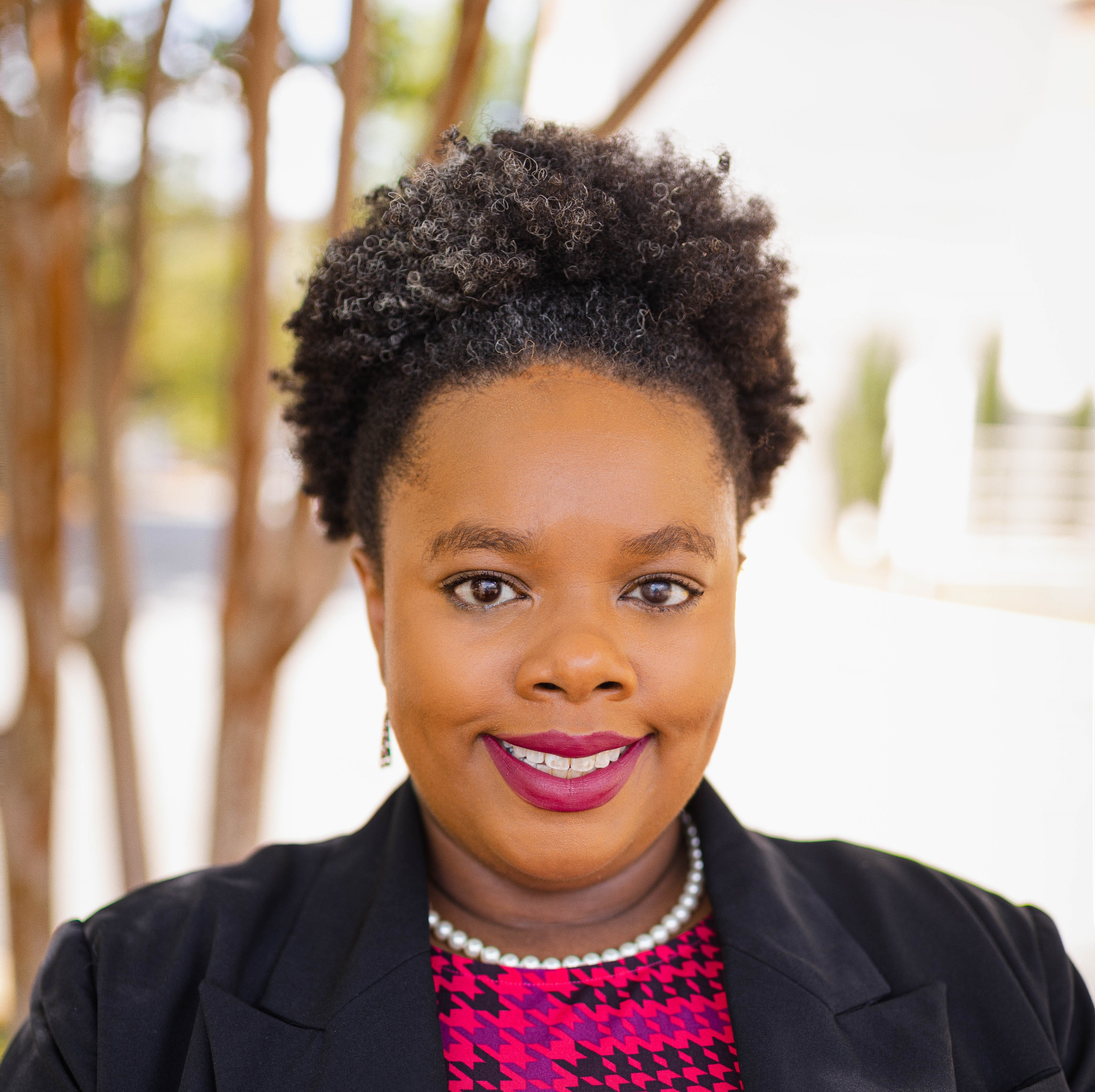 Celebrating International Women’s
Day is a reminder for me to check in and reflect on the ways in which I’ve specifically amplified Black, Latina, and Indigenous womxn’s voices and contributions in the fight for equality and equity. Honoring them is to acknowledge that their voices
were not always heard, valued, or credited in this movement. I take time to discover and cherish the stories of our ancestors, their determination but also their joy, and their rest, because joy and rest are both powerful forms of resistance. As a
Black woman, I’m reminded to celebrate the beauty of my own heritage and how far we’ve come. It’s important to celebrate and honor women in the work that we do, especially racially minoritized womxn, because when all womxn
and girls thrive, everyone thrives.
Celebrating International Women’s
Day is a reminder for me to check in and reflect on the ways in which I’ve specifically amplified Black, Latina, and Indigenous womxn’s voices and contributions in the fight for equality and equity. Honoring them is to acknowledge that their voices
were not always heard, valued, or credited in this movement. I take time to discover and cherish the stories of our ancestors, their determination but also their joy, and their rest, because joy and rest are both powerful forms of resistance. As a
Black woman, I’m reminded to celebrate the beauty of my own heritage and how far we’ve come. It’s important to celebrate and honor women in the work that we do, especially racially minoritized womxn, because when all womxn
and girls thrive, everyone thrives.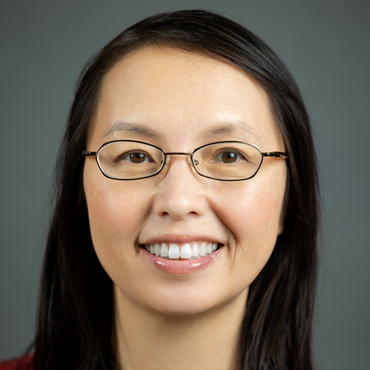 International Women’s Day
is a time to the celebrate my resilient mom. She crossed a river and oceans to bring our family from war-torn Laos to new beginnings in the United States. This act would pave the way for me to have more opportunities than she ever did, including getting
an education. Observances like today are important considering that 129 million girls around the world are
International Women’s Day
is a time to the celebrate my resilient mom. She crossed a river and oceans to bring our family from war-torn Laos to new beginnings in the United States. This act would pave the way for me to have more opportunities than she ever did, including getting
an education. Observances like today are important considering that 129 million girls around the world are  There is so much intertwined
with women and education equity. Education for women means more control over their economic situation and family lives as well as greater participation in politics and government. There is still a long way to go, both in the US and around the world,
to achieve gender and racial/ethnic equity in many realms, but education is a key step on the path to liberation.
There is so much intertwined
with women and education equity. Education for women means more control over their economic situation and family lives as well as greater participation in politics and government. There is still a long way to go, both in the US and around the world,
to achieve gender and racial/ethnic equity in many realms, but education is a key step on the path to liberation.